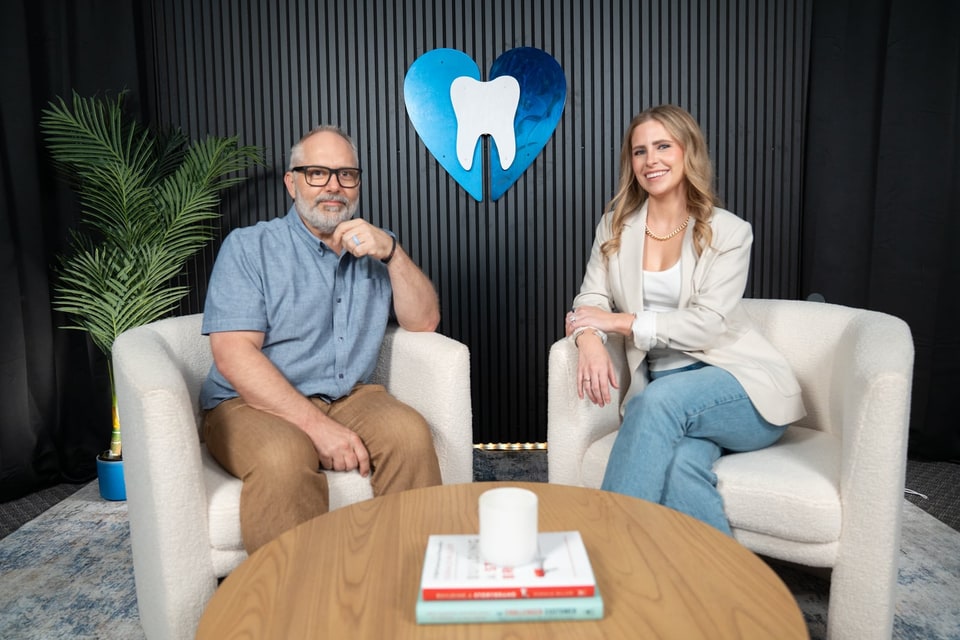
Your next useful post may already have happened in the surgery. A patient asked a question, you explained the options, and something became clearer. That conversation is a better starting point than an empty square in a posting calendar.
We recommend building dental social content around those moments. Let people hear how you explain care and see the team they would meet. If your feed already has humour, celebrations and a sense of the practice, keep them. Add the explanations that help someone decide whether they want to become your patient.
Choose the care you want people to understand
Start with the practice’s priorities. A dentist building a general private list needs content about everyday care, continuity and joining the practice. A clinician offering more implant consultations needs to explain the assessment and the decisions patients face. Your feed should reflect the dentistry you want to provide.
This matters when choosing what to record. A dramatic before-and-after may catch attention, but a family practice should also make its routine care visible. Patients need a reason to choose you for the check-up as well as the larger treatment.
Collect questions from the surgery and reception. Read what patients thank you for in their reviews. If you can only record one answer, choose a question patients ask before booking the care you want to grow. Start with an appointment the practice can offer, then explain the part people find difficult to judge.
Turn a broad topic into a question someone would ask
“Dental anxiety” is a subject. “What should I tell you before my first visit if I am nervous?” gives you a post to make. The narrower question helps the speaker give a useful answer and the viewer recognise why it matters.
Here are three starting points to adapt to your own care:
- A first-visit question: “I haven’t been to a dentist for years. What happens when I come in?” Ask the clinician what they want to understand first and how they explain what comes next. Describe the actual appointment, including any choices the patient can discuss.
- A treatment decision: “Why might you recommend different options to two people with the same concern?” Ask the clinician to explain what they consider during assessment, using a model or simple drawing where helpful. Give people a view of the thinking behind a recommendation.
- A technology question: “Why did you choose that equipment, and what will I notice?” Ask how the team uses it during an appointment. A photograph names the machine; the clinician can explain its purpose and any benefit they can substantiate.
Practical questions deserve space too. The colleague who normally explains the first appointment or the fees may be the best person to answer. Showing them helps a prospective patient recognise the people they will speak to.
Record a conversation, then find the post
Ask someone to interview the clinician. Share the questions beforehand and let the answers develop naturally. Follow up when a phrase is vague: “What does that look like for the patient?” or “Can you show me how you explain it?”
At Oarline, we use these conversations to gather the material, then select useful passages and prepare the clips and captions. The clinician brings the knowledge. Our job includes finding the question a prospective patient will care about and making the answer easy to follow.
For a first-visit post, the recording might cover several questions. Choose one complete answer for the clip, give it a clear title and use the caption for relevant practical detail. Check that it still makes sense to someone who never heard the rest of the conversation. A short edit must keep the qualifications that make the explanation accurate.
If video is a barrier, begin with an approved written answer alongside a current photograph. Build from material the team can contribute and review reliably. There is little value in planning a feed nobody has time to produce.
Keep the person in the explanation
Keep the clinician’s usual phrases and manner while editing for clarity. The finished answer should sound like the person patients meet in the surgery. Existing patients may value exactly that manner.
Personal introductions have a place alongside care questions. Ask why the dentist chose the profession, what they enjoy about the work or why they joined this practice. In Dr Mark Miely’s introductory film, he talks about his father’s work, enjoying working with his hands and being around people. The viewer gets something more personal than a list of qualifications.
Patient stories offer another perspective. In Dental Bar’s film, Melisa explains that her fears have not disappeared, but she feels supported through them. That distinction makes the account specific: she describes being listened to, having things explained and being able to move slowly.
Both films come from our founders’ US agency, Pain-Free Dental Marketing. You can watch them in our annotated video examples. Use them to consider the questions worth asking in your own practice, rather than copying someone else’s story.
Give each post a useful next step
Match the invitation to the subject. A first-visit explanation can point to your new-patient page. A treatment discussion can lead to information about the consultation. An introduction can invite people to meet the wider team. Check that the destination answers the next question and offers a route the practice can support.
Before publishing, have the relevant clinician review clinical explanations. Obtain explicit consent for identifiable patient material, including where and how it will be used. Keep claims factual and treatment suitability conditional on assessment, in line with the GDC’s social media guidance and advertising guidance.
Review the questions and enquiries that follow. Ask new patients whether an explanation helped them choose you, and follow suitable enquiries into appointments. Likes and views can show a response to the content; they cannot establish that it brought a patient into the diary.
If useful content needs to reach more local people, selected posts may have a role in video advertising. First, choose one question your team answered this week and make that answer worth sharing. A sustainable publishing plan starts with knowing what you have to say.